Methodology & Documentation
Field Note
Observation
Foundational principles and reflective documentation guiding our observational methodology.
The Field Note Observation is the foundation of the archive. Each observation begins with a simple act: watch closely.
Rather than documenting insects by appearance alone, the archive records their activities, environments, and relationships with the ordinary world. What emerges is a record of behavior in context.
Organization & Context
The Classifications
Every observation belongs somewhere. The archive organizes observations by environment or activity, creating a framework for comparison while preserving each observation's character.
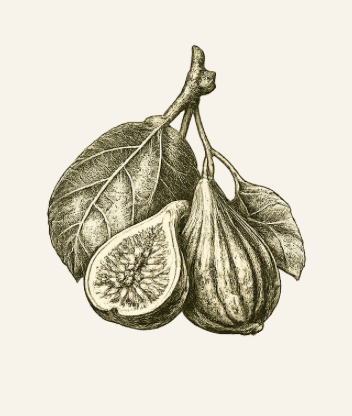
Kitchen Studies
Domestic observation through preparation, gathering, making, and the rituals of the kitchen.
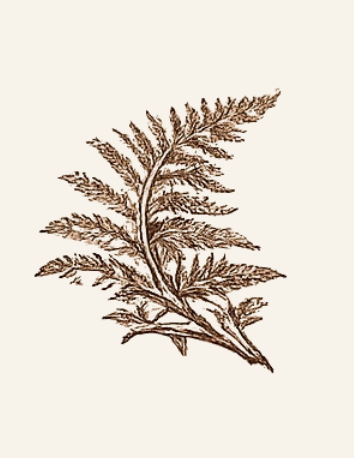
Garden Studies
Observations occurring within cultivated landscapes and the ongoing work of tending them.
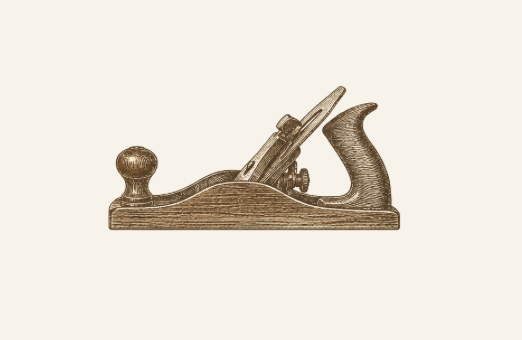
Workshop Studies
The relationship between insect behavior, tools, materials, and acts of making.
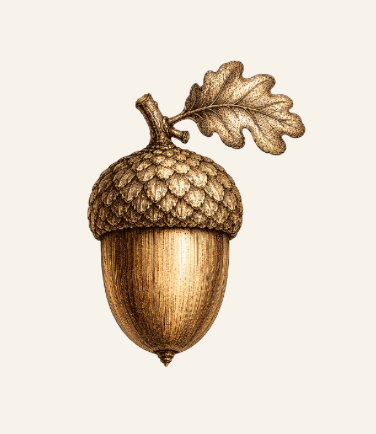
Outdoor Studies
Observations situated within the broader landscape beyond the cultivated environment.
Seasonal Studies
Behaviors shaped by seasonal change, weather, preparation, and the rhythms of time.
Five Foundational Guidelines
The Principles of Observation
Observe Before Interpreting
Context Matters
The Ordinary is Worth Recording
Details Become Evidence
Documentation Preserves Possibility
Structure & Relationships
Understanding the Archive
An archive is more than a collection—it is a record of relationships.
Each specimen connects to a behavior, classification, setting, and moment. The specimen number provides place; the classification provides context; the field note provides the observation. Together, they transform an image into a documented entry.
Sequential Process
From Observation to Archive
OBSERVE
RECORD
CLASSIFY
CATALOG
PRESERVE
Something catches the observer's attention.
The behavior is documented through field notes, sketches, details, and environmental context.
The observation is assigned to its appropriate study.
A specimen number and archive designation establish its place within the collection.
The completed observation becomes part of the permanent archive.
Core Documentation
The Field Note
Where observation becomes record.
The Field Note is intentionally less definitive than a finished specimen card. It captures the process of noticing—incomplete thoughts, environmental details, sketches, and observations before formalization.
The specimen records what was observed. The field note records how it was understood.
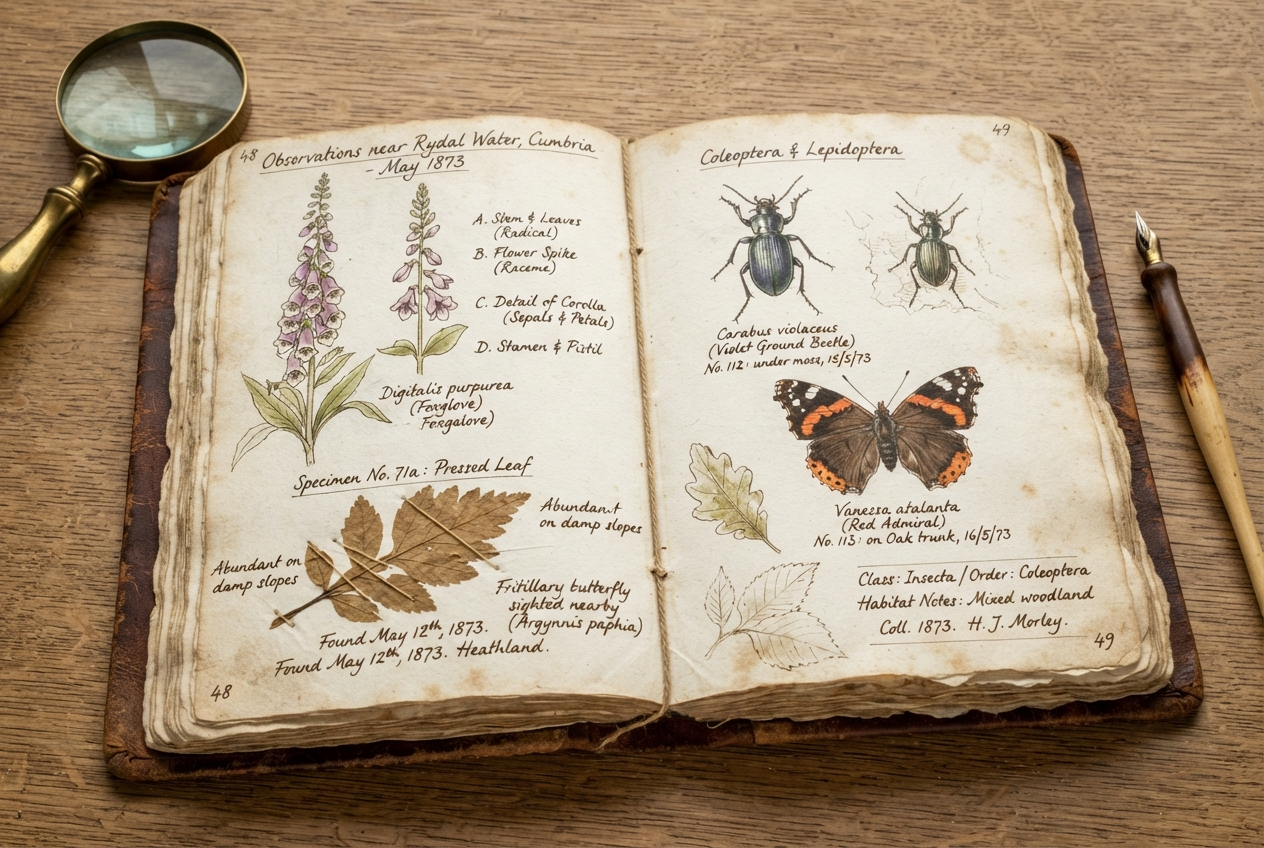
Date, time, location, weather, and contextual information situating the moment of observation.
Sketches, pressed specimens, ink drawings, and visual annotations capturing what was seen.
Handwritten annotations, questions, and incomplete thoughts as they occurred during observation.
Philosophy & Purpose
The Archive is Never Finished
The archive is designed to remain open. Observations may be verified, revisited, or understood differently with time. A classification provides structure, but not meaning.
The archive values documentation over certainty and curiosity over conclusion. Every field note records what was known at the moment of observation.
And every new observation becomes an opportunity to look again.
Fully documented and confirmed
Recorded but awaiting verification
Preliminary observation under review
Observe deeply. Record faithfully. Preserve always.
Explore the Archive
Browse detailed observations by study classification, acquire archival specimens, or view the complete Field Manual.